
A Homeowner's Guide to Painting Your Home in San Clemente, CA
· By Charles Perestrelo
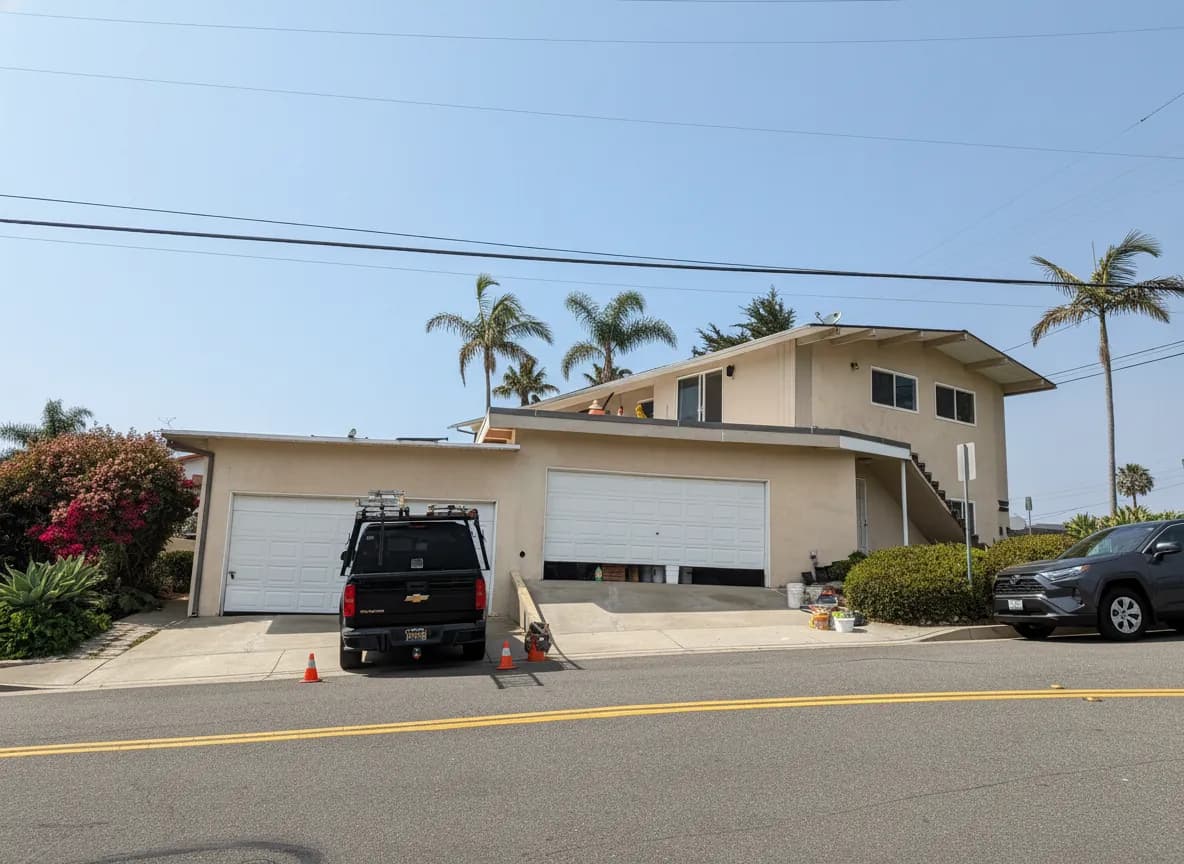
Painting a home in San Clemente is not the same job it would be a few miles inland. The town sits right on the Pacific, and the ocean shapes almost everything about how paint behaves here, from the salt in the air to the marine layer that rolls in most mornings. Whether you own a Spanish-style bungalow near the Pier Bowl, a newer build in Talega, or a family home in Forster Ranch, the coastal setting changes which products last, which colors read well, and when the best time to paint actually is.
This guide walks through what a local homeowner should understand before starting a project. It covers the architecture you tend to find around town, how the coastal climate wears on both interior and exterior surfaces, color palettes that suit the Spanish Village by the Sea look, the difference in timing between inside and outside work, and a simple way to plan the whole thing. Verdan Painting, owner-operated by Charles Perestrelo and based in San Clemente, works throughout Orange County and South LA County, so the notes here come from painting homes in these exact conditions.
Local architecture and what it means for your paint
San Clemente was planned in the 1920s around a Spanish Colonial Revival theme, and that heritage still defines much of the town. You see white and cream stucco walls, red clay tile roofs, arched entries, and dark wood accents from the older streets near Avenida Del Mar down through the Pier Bowl. Newer neighborhoods like Talega and parts of Forster Ranch lean on the same Mediterranean vocabulary, with stucco bodies, tile or composite roofs, and stained or painted wood trim.
Each surface asks for a different approach. Stucco is porous and needs elastomeric or high-build acrylic coatings that flex with the wall and bridge hairline cracks. Wood trim, fascia, and doors take the most abuse from sun and salt, so they need proper priming and a durable acrylic or hybrid enamel. Decorative elements common in these homes, such as Italian plaster interior walls, faux wood-grain garage doors, or metallic accent surfaces, are specialty finishes that reward experience over a quick roll-and-go. Knowing what you are actually painting is the first step to choosing the right system.
How the coastal climate wears on your home
The single biggest factor in San Clemente painting is the marine environment. Salt-laden air settles on exterior surfaces and speeds up corrosion on metal railings, gutters, and fasteners, while the daily marine layer keeps surfaces damp well into the morning. That moisture, combined with strong afternoon UV once the fog burns off, is hard on paint films. West and south-facing walls, especially closer to the water around T-Street and North Beach, tend to fade and chalk faster than sheltered inland-facing sides.
This is why product selection matters more here than it does in a dry inland town. Higher-grade 100 percent acrylic exterior coatings hold color and resist mildew far better in salt air, and proper surface prep (washing off salt and chalk, spot-priming bare wood and metal) is what makes a coat actually last. Homes very close to the beach may need repainting sooner than the market-typical five to ten year exterior cycle, so it helps to inspect south and west elevations yearly for early fading, cracking, or caulk failure.
Colors that fit the Spanish Village by the Sea
San Clemente has a recognizable coastal Spanish palette, and colors that respect it tend to look right for decades and hold up better in resale. Bodies usually stay in warm whites, creams, sand, and soft greige tones that pair naturally with red tile roofs and bright coastal light. Very stark cool whites can read cold against clay tile and the blue of the ocean, so a slightly warm white is often the safer choice.
Trim and accents are where the character comes through. Deep terracotta, olive and sage greens, muted navy, and warm charcoal on doors, shutters, and iron details echo the older streets near Avenida Del Mar without feeling themed. If your home sits in an HOA area like Talega or Forster Ranch, check the approved color list before you commit, since many local associations restrict exterior schemes. A color consultation, viewing samples on your actual walls at different times of day, saves a lot of second-guessing once the marine layer and afternoon sun change how a color reads.
Interior versus exterior: timing and priorities
Interior and exterior work follow different calendars in San Clemente. Interior painting can happen almost any time of year because the climate is mild and controlled indoors. The main coastal consideration inside is humidity: in beachside homes prone to moisture, kitchens and bathrooms benefit from mildew-resistant paints and good ventilation during and after the job. Cabinet refinishing and interior specialty finishes like Italian plaster are also year-round projects since they are done in a controlled environment.
Exterior painting is more weather-dependent. The best window is generally late spring through early fall, when the marine layer tends to clear earlier in the day and surfaces dry out. Painting over damp stucco or in heavy fog traps moisture and shortens the life of the coat. A common local pattern is scheduling exterior crews to start mid-morning, once the fog has lifted and walls are dry, rather than at dawn. If you are planning both inside and outside work, many homeowners do exterior in the warmer months and save interior rooms for winter.
How to plan a painting project
Start with an honest walkthrough of your home. Note which surfaces are stucco, wood, or metal, where you see cracking, peeling, chalking, or failed caulk, and which elevations face the ocean and take the most sun. Photograph problem areas. This inventory helps any painter give you an accurate scope instead of a rough guess, and it flags whether you need repair and prep before color even enters the picture.
Then think about sequence and materials. Repairs and prep (patching stucco, replacing rotted trim, cleaning off salt and mildew) come before priming, and priming comes before finish coats. Ask about the specific products proposed for each surface, the number of coats, and how prep is handled, since prep is where longevity is won or lost in a coastal climate. Get the scope in writing. A clear plan also makes it easier to phase a larger project, for example doing the weathered ocean-facing side and trim first, then the rest as budget allows.
When to bring in a professional
Some painting is well within reach for a handy homeowner, like a single interior room or a small accent. Exterior work in San Clemente is a different level of difficulty. Two-story stucco, salt-corroded metal, high fascia and eaves, and specialty finishes call for the right equipment, safe access, and knowledge of which coatings survive the marine environment. Mistakes here are expensive, because a coat that fails early in salt air means redoing the whole job.
A professional also handles the parts that are easy to underestimate: thorough washing and prep, correct primers for each surface, HOA color compliance, and clean masking around tile roofs and hardscape. Verdan Painting handles interior, exterior, cabinet, wood refinishing, decorative finishes, pressure washing, and color consulting across Orange County and South LA County. For questions about a specific home or to talk through a project, the shop can be reached at (949) 774-8496.
Frequently asked questions
- How often should I repaint the exterior of a San Clemente home?
- Exterior repaints typically fall in a market-typical range of about five to ten years, but homes closer to the water around T-Street, North Beach, and the Pier Bowl often need it sooner because salt air and strong UV wear coatings faster. Inspect ocean-facing walls yearly for fading, chalking, or cracking so you can catch problems early.
- What is the best time of year to paint outside in San Clemente?
- Late spring through early fall is generally best, since the marine layer clears earlier in the day and surfaces dry out. Painting over damp stucco or in heavy morning fog can trap moisture and shorten the life of the coat, so many local jobs start mid-morning once walls are dry.
- What paint colors work best for the coastal Spanish look?
- Warm whites, creams, sand, and soft greige bodies pair naturally with red tile roofs and bright coastal light, while terracotta, sage or olive green, muted navy, and warm charcoal make good trim and door accents. Very stark cool whites can look cold against clay tile, and HOA neighborhoods like Talega and Forster Ranch may restrict exterior colors, so check the approved list first.
Related services
Serving
Ready for an exact price?
Get a free, no-pressure in-home estimate. Real numbers for your home, not a phone guess.