
Painting a Stucco House in Orange County: A Homeowner's Guide
· By Charles Perestrelo
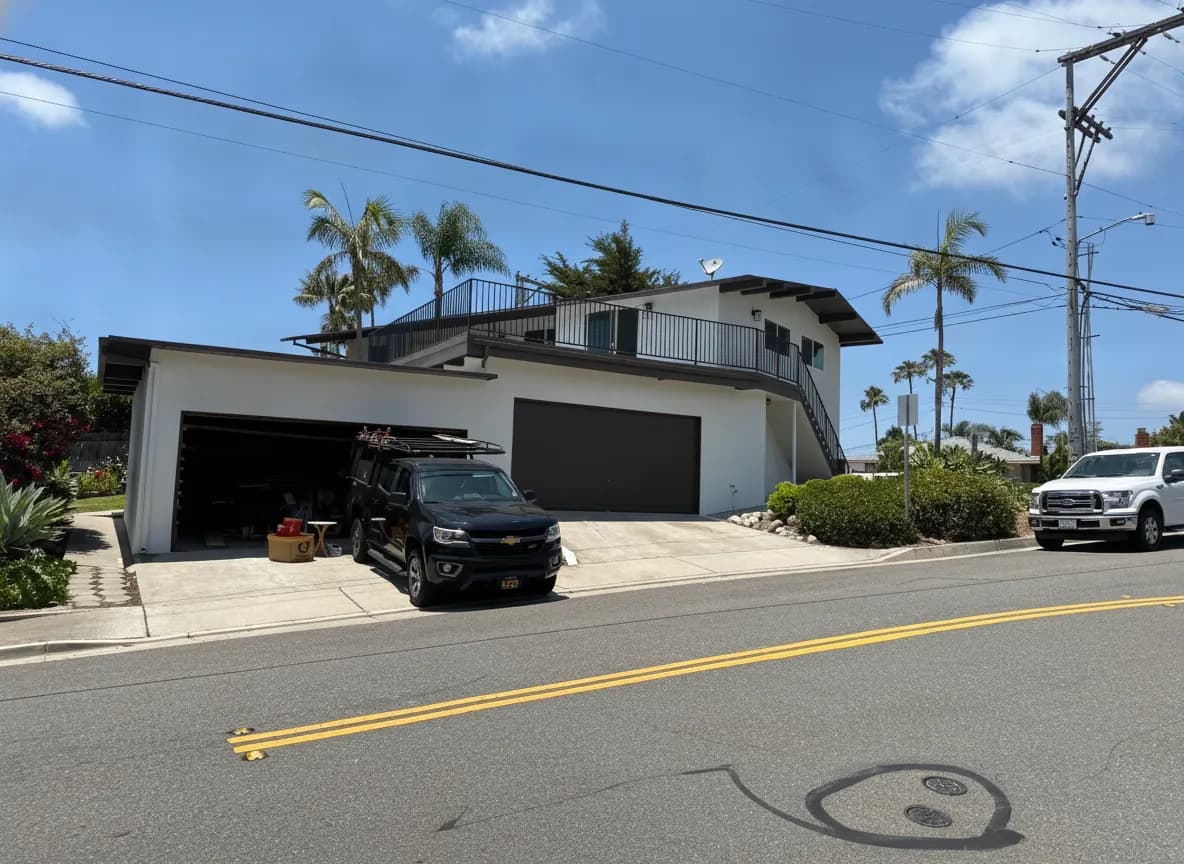
Drive through almost any neighborhood in Orange County and you will see the same exterior over and over: stucco. It is on tract homes in Irvine, ranch houses in Mission Viejo, and coastal properties in San Clemente and Dana Point. Stucco is durable and fire resistant, but it is not maintenance free. The color fades, the surface chalks, and hairline cracks open up over the years. A good paint job protects the wall underneath and refreshes the whole look of the house.
Painting stucco is not the same as painting siding or drywall. The surface is porous, textured, and it moves slightly with temperature swings. If you skip the prep or use the wrong coating, the paint peels, cracks reappear within a season, and you end up repainting far sooner than you should. This guide covers why stucco is everywhere in Orange County, how to handle cracks the right way, the difference between elastomeric and acrylic coatings, and how coastal conditions change the job.
Why Stucco Is Everywhere in Orange County
Stucco became the default exterior across Southern California for practical reasons. It holds up in a dry, sunny climate, it resists fire (a real concern in the hills and canyons of Orange County), and it is affordable to apply over the large tracts built here from the 1960s onward. Most homes in Irvine, Mission Viejo, Lake Forest, and the coastal cities wear a cement-based or synthetic stucco finish.
Because stucco is so common, homeowners tend to assume it lasts forever without attention. It does not. The cement surface slowly chalks under UV exposure, the color washes out, and moisture works its way into any crack it can find. Repainting on a sensible schedule is the main thing that keeps a stucco wall watertight and looking cared for.
Hairline Cracks: Repair Them, Do Not Paint Over Them
Every stucco house develops cracks. Some are cosmetic settling cracks, thin as a hair, and some are wider structural cracks that signal a bigger problem. The mistake homeowners and rushed painters make is rolling paint straight over the crack and hoping it disappears. It will not. Paint bridges a hairline crack for a few weeks, then the crack telegraphs right back through the fresh coat.
The right sequence is to open, clean, and fill each crack before any color goes on. Hairline cracks get an elastomeric patching compound or a paintable, flexible caulk that can stretch as the wall moves. Wider cracks (roughly an eighth of an inch or more) may need to be routed out and packed with a proper stucco patch, then textured to match the surrounding surface so the repair does not stand out. Cracks that keep returning, or that run in stair-step patterns, can point to foundation or framing movement, and those deserve a look before painting.
Skipping crack repair is the number one reason a stucco paint job fails early. In Orange County, where the marine layer feeds moisture into any open crack overnight, unrepaired cracks also let water sit behind the finish, which leads to bigger damage down the line.
Elastomeric vs Acrylic Masonry Coatings
Two main product families get used on stucco, and picking the right one matters. A high-quality acrylic (100 percent acrylic latex masonry paint) is breathable, resists fading, and works well on stucco that is in good shape with minimal cracking. It is thinner, easier to apply, and generally the lower-cost choice for a sound wall.
Elastomeric coatings are much thicker and highly flexible, designed to stretch across hairline cracks and bridge minor surface movement. On an older stucco wall with a history of cracking, or on a wind- and weather-exposed elevation, elastomeric adds a waterproofing layer that ordinary paint cannot match. The trade-off is that it must be applied correctly. Elastomeric needs the right mil thickness and a properly prepared, dry surface, and if it is trapped over damp stucco it can blister. It is also less breathable, so it is not always the right call for every wall.
There is no single winner. A sound wall in a sheltered part of the yard may be perfectly served by a premium acrylic, while a cracked, sun-blasted, ocean-facing wall benefits from elastomeric. A walkthrough of the actual house is what settles it, which is why color consulting and a real assessment beat a phone quote.
Coastal Salt and Sun: The Orange County Factor
Orange County stucco takes a beating that inland walls do not. Near the coast in San Clemente, Dana Point, Laguna, and Newport, salt-laden air settles on the surface, works into pores, and accelerates chalking and coating breakdown. Homes even a few miles inland still face intense, direct sun that fades south- and west-facing walls far faster than shaded ones.
Salt and UV together mean the coating you choose has to be rated for it. Fade-resistant, high-grade exterior products hold color longer, and a proper primer or masonry sealer gives the topcoat something clean and stable to grip. On coastal homes, rinsing salt residue off the walls before painting is not optional. It is part of the prep that decides whether the finish lasts three years or eight.
Prep Steps That Make the Paint Last
Prep is where a stucco job is won or lost. The typical sequence starts with pressure washing to strip off dirt, chalk, cobwebs, and salt film, followed by full drying (stucco holds water, so it needs time before any coating goes on). Next comes crack repair and patching, then spot priming or a full masonry primer depending on the condition and whether bare patches are showing.
Masking and protecting windows, trim, lights, and landscaping comes before the color. On stucco, application is usually a combination of spraying to push coating into the texture and back-rolling to work it evenly into the surface. Two coats are standard for even color and full protection. Rushing any of these steps (painting over damp walls, thin single coats, no primer on bare patches) is what leads to peeling and blotchy coverage.
How Often Stucco Needs Repainting and Choosing Color
A well-prepped stucco exterior in Orange County typically holds up for roughly seven to twelve years before it needs repainting, though sun exposure, coastal salt, and the coating used all shift that window. South- and west-facing walls fade first, so it is normal to see one elevation looking tired before the rest. Signs it is time include visible fading, chalky residue on your hand when you rub the wall, hairline cracks widening, or paint that has started to flake.
Color choice on stucco has a few practical wrinkles. The heavy texture reads a shade darker and richer than a flat swatch, so test large samples on the actual wall and look at them in morning and afternoon light. Very dark colors absorb more heat and fade faster under Orange County sun, which is worth weighing on exposed elevations. Many local HOAs also restrict exterior palettes, so confirm approved colors before committing. Color consulting helps match undertones to your roof, hardscape, and trim so the whole exterior reads as one intentional scheme.
Frequently asked questions
- Can you just paint over cracks in stucco?
- No. Paint bridges a hairline crack briefly, then the crack shows through the new coat within weeks. Every crack should be cleaned and filled with a flexible patch or elastomeric compound before any color goes on. Wider or recurring cracks may need routing and re-texturing, and stair-step cracks can signal movement worth checking first.
- Should I use elastomeric or acrylic paint on my stucco?
- It depends on the wall. A sound stucco surface with little cracking does well with a premium 100 percent acrylic masonry paint. An older, cracked, or sun- and ocean-exposed wall benefits from a thicker elastomeric coating that bridges hairline cracks and adds waterproofing, as long as it is applied at the right thickness over a dry surface. A walkthrough of the actual house decides it.
- How often does a stucco house in Orange County need repainting?
- A properly prepped stucco exterior usually holds up for roughly seven to twelve years, though coastal salt near San Clemente and Dana Point and strong sun on south- and west-facing walls can shorten that. Fading, chalky residue, widening cracks, or flaking are the signs it is time.
- Do you pressure wash stucco before painting?
- Yes. Pressure washing removes dirt, chalk, cobwebs, and (near the coast) salt film so the new coating can bond. The wall then needs to dry fully before painting, because stucco holds moisture and coating over a damp surface can blister or peel.
Related services
Serving
Ready for an exact price?
Get a free, no-pressure in-home estimate. Real numbers for your home, not a phone guess.