
HOA Paint Color Approval in Orange County: A Homeowner's Guide
· By Charles Perestrelo
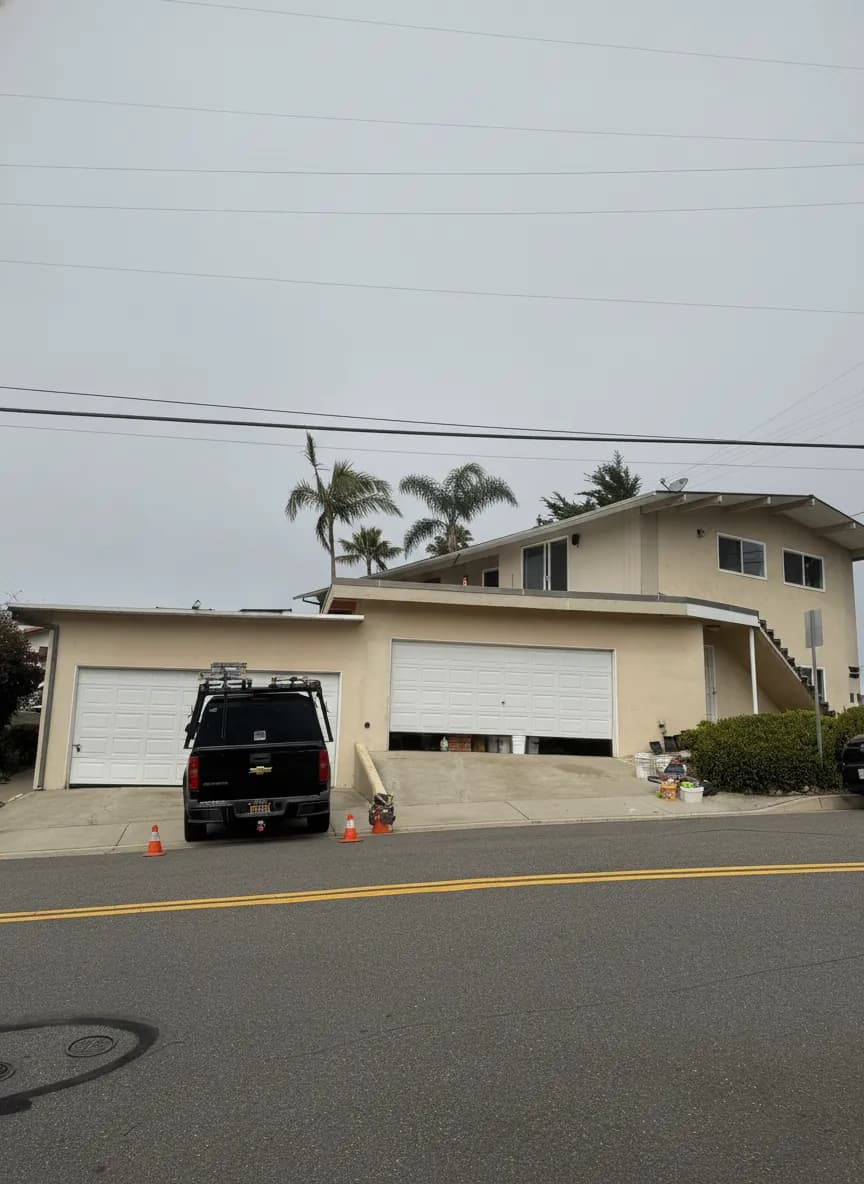
If you own a home in Irvine, Mission Viejo, Aliso Viejo, or Laguna Niguel, there is a good chance a homeowners association has a say in what color your house can be. That surprises a lot of people the first time they plan an exterior repaint. You pick a shade you love, you are ready to book the crew, and then a neighbor or the property manager mentions you need approval first. Painting the wrong color, or the right color without the paperwork, can turn a straightforward project into fines, a repaint order, and a lot of wasted money.
The good news: the approval process is predictable once you understand it. Orange County HOAs almost always publish an approved palette and a written submittal process, and the vast majority of requests get approved when the homeowner follows the steps and stays inside the guidelines. This guide walks through why so much of OC is HOA-governed, how the architectural review typically works, what happens if you skip it, how to choose a color that gets a green light, and how a painter can handle the samples and the submittal so you are not doing it alone.
Why so much of Orange County lives under an HOA
Orange County grew up in the era of the master-planned community. Cities like Irvine were built neighborhood by neighborhood, each with a builder, a theme, and a set of covenants (called CC&Rs, short for Covenants, Conditions and Restrictions) recorded against every lot. Mission Viejo, Aliso Viejo, Laguna Niguel, Rancho Santa Margarita, Ladera Ranch, and Coto de Caza followed similar playbooks. The result is that a large share of single-family homes and nearly all condos and townhomes in these areas belong to an association.
Those associations exist to keep the neighborhood looking consistent, which protects resale values. Exterior paint is one of the most visible things a homeowner can change, so color is one of the most tightly controlled items in almost every set of CC&Rs. If you bought in one of these communities, you agreed to the color rules at closing, whether or not anyone pointed them out at the time.
How the approval process usually works
Most OC associations run exterior color changes through an architectural review committee, sometimes called the ARC, the architectural control committee, or the design review committee. You submit an application before any work starts. The application typically asks for your address, the exact colors you want (brand and color name or code) broken out by body, trim, and accent or front door, and often a description or photo of where each color goes.
Many communities require you to choose from a pre-approved palette or color scheme. Some let you pick any color but still require the committee to sign off. Timelines vary: some committees review applications within a couple of weeks, others meet monthly, so a request that just missed a meeting can wait longer. Always check your specific CC&Rs and architectural guidelines, or ask your property manager, before you assume a timeline. Plan the submittal well ahead of when you want the crew on site.
What happens if you paint without approval
Skipping approval is the most expensive mistake a homeowner can make on an exterior job. If the association decides the color violates the guidelines, it can send a notice of violation, levy fines that accrue over time, and in many cases require you to repaint the house to an approved color at your own cost. That means paying for the same job twice, plus the fines in between.
Unapproved work can also surface later, at the worst moment, when you sell. HOA disputes and open violations can complicate escrow. It is far cheaper and calmer to submit first and paint second, even when the palette feels restrictive. If you are unsure whether your color is allowed, treat that uncertainty as a reason to submit, not a reason to guess.
How to pick a color that actually gets approved
Start with your community's approved palette or the schemes used on nearby homes of the same builder and model. Committees are looking for colors that fit the established look, so a shade that already appears elsewhere in the tract is a safer bet than something that stands out. Body colors tend to be neutral (warm whites, greiges, soft taupes, muted earth tones), with a limited range for trim and a bit more freedom on the front door.
Test colors in real light before you commit. Orange County sun is bright and warm, and a paint chip that looks perfect in the store can read very differently on a west-facing wall at 4pm. Paint large sample areas on the actual house, look at them at different times of day, and check how they sit next to your roof, stone, and any brick. Bring your neighbors' homes into the decision too: a color that harmonizes with the block is more likely to sail through review than one that fights it.
How a painter helps with samples and the submittal
An experienced local painter has usually worked inside these communities before and knows what committees in OC tend to approve. That knowledge shortens the guesswork. At Verdan Painting, owner Charles Perestrelo works with homeowners to choose colors inside the approved palette, so you end up with a scheme you like that also fits your community's rules. Color consulting can help you narrow options, coordinate body, trim, and accent, and avoid combinations that get flagged.
On the paperwork side, a painter can put together the details the committee needs: the exact brand and color codes, where each color goes, and clean sample swatches or drawdowns you can attach to the application. Having the color information written up correctly the first time reduces back-and-forth and the risk of a request bouncing back for missing detail. Once approval comes through, the same crew that helped you choose does interior, exterior, cabinet, and wood refinishing work, along with pressure washing to prep the surface before paint.
Common mistakes to avoid
The mistakes that stall approvals tend to repeat. Homeowners submit vague color descriptions (writing beige instead of the brand and code), forget to specify the trim or front door, or choose a scheme that does not match anything else in the tract. Others start prepping or painting before the committee responds, assuming a yes is coming. A few rely on an old approval from a previous project without checking whether guidelines have changed.
Two more worth flagging: buying paint before approval, which locks you into a color you may have to change, and ignoring the front door and garage, which some committees review separately. The fix for all of these is the same. Read your current CC&Rs and architectural guidelines, submit a complete and specific application, and wait for written approval before any paint or prep begins.
Frequently asked questions
- Do I really need HOA approval to repaint my Orange County home?
- If your home is in an HOA community (which covers a large share of Irvine, Mission Viejo, Aliso Viejo, Laguna Niguel, and similar cities), yes. Exterior color changes almost always require approval before work starts. Check your CC&Rs and architectural guidelines to confirm the exact rules for your association.
- How long does HOA paint approval take in OC?
- It varies by association. Some architectural committees review applications within a couple of weeks, while others meet monthly, so timing can depend on when your request lands. Submit early and ask your property manager for the current review schedule so you can plan the paint job around it.
- Can I paint my house any color if I get approval?
- Not usually. Many OC communities require you to choose from an approved palette or a set of pre-approved schemes, and even those that allow more freedom still want the committee to sign off. Starting from the approved palette is the fastest path to a yes.
- Can Verdan Painting help with the HOA submittal?
- Yes. Verdan Painting helps homeowners choose colors inside the approved HOA palette and prepares the color details for the submittal (brand, codes, and where each color goes), so the application is complete and specific. Call (949) 774-8496 to talk through your project.
Related services
Serving
Ready for an exact price?
Get a free, no-pressure in-home estimate. Real numbers for your home, not a phone guess.